Navi Mumbai is finally witnessing a long-awaited dream turning into reality — the Navi Mumbai Metro. Designed to make travel faster, cleaner, and more comfortable, the metro system is one of the most transformative infrastructure projects in the city’s history.
With the inauguration of Line 1 (Belapur to Pendhar) and ongoing work on future routes, the metro is not just easing traffic but also redefining urban living and real estate in Navi Mumbai.
🏗️ A Quick Look at the Navi Mumbai Metro Project
The Navi Mumbai Metro is being developed by CIDCO (City and Industrial Development Corporation), with a vision to create a world-class public transport system for the growing population of the city.
- Developer: CIDCO
- Phase 1 Route: Belapur – Pendhar
- Operational Since: 2023 (Public services started after full trials)
- Length: 11.1 km
- Stations: 11 elevated stations
- Train Frequency: Every 15–20 minutes initially
- Average Speed: 33–40 km/h
- Technology: Fully automated, driverless-capable metro trains
This first phase of the metro connects CBD Belapur, the commercial heart of Navi Mumbai, to Pendhar, one of the growing residential zones — drastically reducing travel time and road congestion.
🚉 List of Stations on Line 1
- CBD Belapur
- Sector 7 Belapur
- Science Park
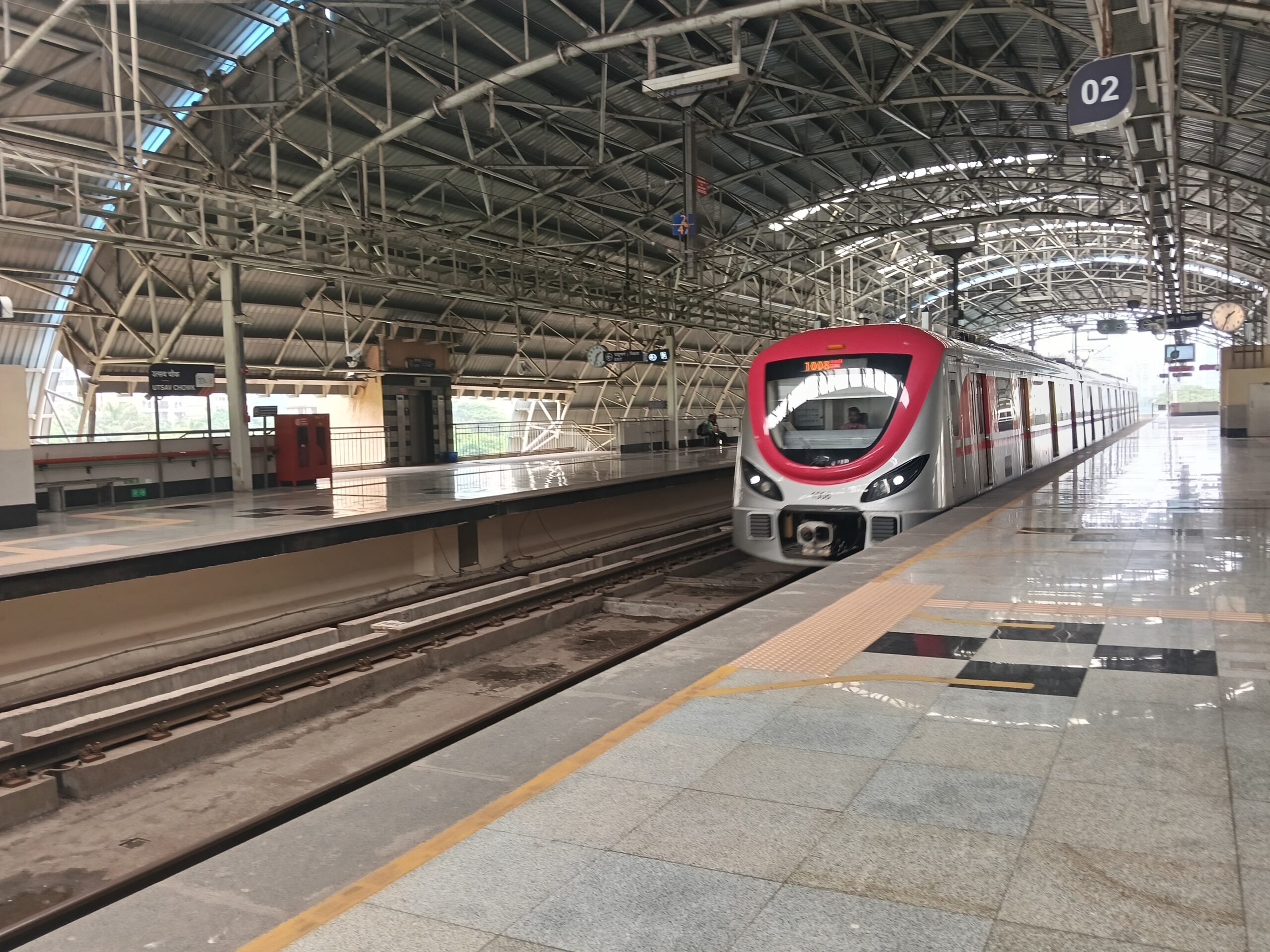
- Utsav Chowk
- Sector 11 Kharghar
- Sector 14 Kharghar
- Central Park
- Panchanand
- Pendhar
- Pethpada
- Taloja Panchanand
Each station is designed with modern amenities — escalators, elevators, passenger information systems, CCTV surveillance, and clean platforms for a smooth commuter experience.
🌆 How the Metro Is Changing Navi Mumbai’s Landscape
The Navi Mumbai Metro isn’t just about faster travel — it’s about shaping a smarter city. Here’s how:
- Reduced Traffic: Major corridors like Belapur, Kharghar, and Taloja are witnessing a gradual reduction in traffic congestion.
- Real Estate Growth: Areas near metro stations are seeing a surge in demand and appreciation, especially Kharghar, Taloja, and Pendhar.
- Eco-friendly Mobility: The metro helps cut down carbon emissions and encourages citizens to shift from private vehicles to public transport.
- Better Connectivity: With upcoming extensions, the metro will eventually link to Navi Mumbai International Airport (NMIA), enhancing regional connectivity.
CIDCO’s long-term plan includes integration with the Mumbai Metro, suburban rail network, and upcoming water transport systems, making Navi Mumbai one of India’s best-connected cities.
🔄 Upcoming Metro Lines in Navi Mumbai
CIDCO and MMRDA are working on additional lines to expand the metro network further:
- Line 2: MIDC Taloja to Khandeshwar (Proposed – to connect NMIA)
- Line 3: Belapur to Taloja MIDC via NMIA (Under planning)
- Line 4: Khandeshwar to Panvel (Proposed extension)
Once fully operational, these lines will make travel between Navi Mumbai’s residential and commercial nodes seamless — and drastically reduce dependency on road transport.
💰 Real Estate Boom Around Metro Corridors
Metro connectivity always boosts real estate — and Navi Mumbai is no exception.
Property rates around Kharghar, Pendhar, Taloja, and CBD Belapur have already risen by 15–25% since the metro’s trial runs began. Developers are actively launching residential and commercial projects close to metro stations, branding them as “metro-connected” properties.
For homebuyers, this means faster travel and better resale value, while for investors, it’s a long-term capital growth opportunity.
The upcoming airport line is expected to multiply this effect, linking both the metro and air travel for maximum convenience.
🚀 Metro + Airport = Navi Mumbai’s Smart Future
With the Navi Mumbai International Airport opening soon and the metro network expanding, the city is on its way to becoming a model of modern urban development. The combination of high-speed public transport and global connectivity will redefine Navi Mumbai’s economic and social landscape.
Citizens will enjoy smoother travel, reduced pollution, and higher quality of life — while investors and businesses will find a new growth hub in the heart of Maharashtra’s most progressive city.
📊 Quick Facts
- Phase 1: 11.1 km (Belapur to Pendhar)
- Stations: 11
- Average Speed: 33–40 km/h
- Developer: CIDCO
- Upcoming Extensions: Airport Line, Panvel Line, Khandeshwar Line
- Real Estate Impact: 15–25% property value rise near metro stations
🌟 Conclusion
The Navi Mumbai Metro isn’t just a transport project — it’s a symbol of progress. From cutting travel time to sparking real estate growth, it’s setting the foundation for a cleaner, faster, and smarter city.
If you live in or near Navi Mumbai, this is the best time to experience the metro and explore the neighborhoods rising along its tracks — they represent the future of urban India.